


Key Takeaways
- Falling behind on payments doesn’t make you a criminal, and you’re protected by strict moneylending laws in Singapore.
- Licensed money lenders must follow clear rules on interest, fees, and conduct — harassment, threats, or intimidation are never allowed.
- If you face troubling behaviour during debt recovery, you can lodge a police report with details of the encounter.
- Reach out early to discuss revised repayment options; honest communication often leads to more manageable solutions.
- Support is available — from financial counselling to long-term debt options — so you don’t have to navigate the situation alone.
Unexpected financial difficulties can happen to anyone. A job loss, reduced income, medical emergency, or family crisis can make it hard to keep up with loan repayments — even those taken from licensed money lenders. If you find yourself falling behind and unable to repay your money lender, the situation can feel incredibly distressing.
That said, it is essential to know that being unable to repay loans from a licensed money lender in Singapore does not make you a criminal, and you still have clear legal rights and protections.
Licensed money lenders in Singapore must follow strict rules, and understanding these regulations will help you make informed decisions about your next steps. Read on to find out everything you need to know and what you can do in the event that you’re unable to repay a money lender in Singapore.
Contract Terms Money Lenders Must Follow Under Singapore Law
The first thing to do when you realise you cannot keep up with loan repayments is to review the loan agreement you received at the point of borrowing.
Under Rule 8 of the Moneylenders Act, licensed money lenders must provide written information on interest rates, repayment schedules, late interest, permitted fees, and other essential terms before granting a loan. Revisiting these terms helps you understand exactly what you owe and how any late payments will affect your total liabilities.
Once you have a clearer picture of your obligations, it’s essential to communicate with your licensed lender as soon as possible. Honest, early conversations often lead to more flexible arrangements than waiting until arrears grow. Many licensed lenders like Soon Seng Credit are willing to discuss revised repayment plans, especially when borrowers provide supporting documents that demonstrate genuine financial hardship.
What You’re Protected From as a Borrower in Singapore
Even if you are unable to pay your money lender on time, they must treat you fairly and abide by Singapore’s laws. Several key protections exist to prevent exploitation.
Foremost, interest rates are controlled. Licensed lenders can charge a maximum of 4% per month on the outstanding principal. Late interest is capped at an additional 4% per month, and importantly, it can only be applied to the overdue instalment amount — not the entire remaining loan balance. The above interest rate caps apply to all loans, except business loans.
In addition to interest caps, late fees are strictly limited. A licensed lender may impose no more than S$60 in late fees per month. The law also ensures that the combined total of interest, late interest, and permitted fees cannot exceed the amount you initially borrowed for non-revolving loans.
Beyond fees, you are also entitled to transparency. Licensed lenders must provide detailed statements of account that show how much of your payment went toward principal, interest, late interest, or fees. They must also issue receipts for every payment received.
In addition, the Registry of Moneylenders prohibits predatory practices. Examples include repeatedly refinancing or “re-loaning” to reset administrative fees, or splitting a loan into multiple components simply to charge repeated late fees.
Knowing these boundaries empowers you to recognise when a lender is operating outside the law.
What Happens When You Cannot Repay Your Loan

While missed repayments do trigger consequences, they are civil, not criminal. This means you cannot be jailed simply for being unable to repay a licensed money lender.
#1 Late fees and interest will accrue
The most immediate effect of non-payment is the accumulation of late fees and interest. While these charges are capped, they can still increase your outstanding balance over time. Your borrowing history will also be updated with the Moneylenders Credit Bureau (MLCB), as required under Rules 22B and 22C of the Moneylenders Act, which may affect your ability to borrow in the future.
#2 You may face legal action
Money lenders may attempt to recover what is owed by engaging lawyers to issue a Letter of Demand, which outlines the outstanding amount and requests repayment by a specific date. Should the loan continue to remain unpaid, they may file a civil claim in court to recover the debt. Any legal fees recoverable from you fall under the category of permitted charges and must be ordered by the court.
What Can or Can’t Money Lenders Do When Borrowers Can’t Pay Up
Licensed lenders are expected to treat every borrower with respect, even when following up on late payments. They must not harass, intimidate, threaten, or damage your property, and they should never try to shame you in front of others. These behaviours are against the Moneylenders Act and the Registrar’s Directions.
They can take reasonable steps to recover what is owed — for example, calling you, visiting your home or workplace, or taking legal action if necessary. While a visit in person may feel uncomfortable, the visit itself isn’t an offence as long as the money lender behaves properly.
What’s important is how they conduct themselves. A licensed lender cannot use violence, vandalism, abusive language, or any threatening behaviour. If you ever feel unsafe or believe someone has crossed the line, know that it’s okay to report the money lender to the Registry of Moneylenders. You may lodge a police report if you’ve experienced any form of harassment. Making a police report helps protect not only you but also other borrowers. You deserve to be treated with dignity throughout the entire repayment process.
Steps You Can Take if You’re Falling Behind on Payments
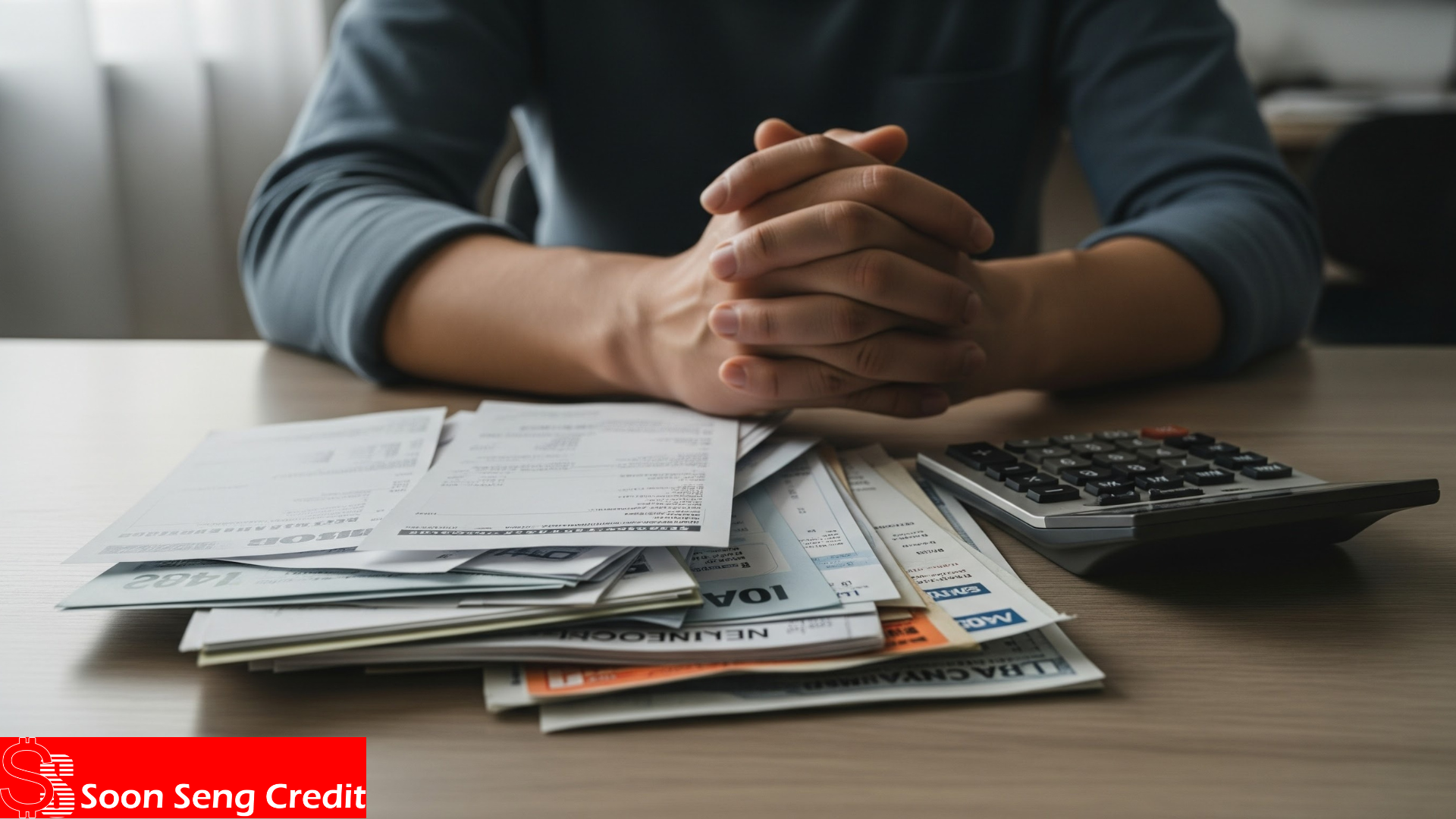
If you are unable to repay your money lender, you have several practical options.
- Option 1: One of the most effective approaches is to request a revised repayment plan. Many lenders are open to negotiating longer repayment periods or more manageable instalments if you explain your situation clearly. While this flexibility is not guaranteed, early communication often increases the chances of reaching a mutually acceptable arrangement.
- Option 2: You may also explore financial counselling or debt advisory services. These organisations can help you assess your overall finances and guide you in developing a sustainable repayment strategy. Social service agencies offer support for borrowers who are genuinely in financial distress, and some may even assist in negotiations with the lender.
Avoid taking a new loan to repay an existing one, especially from another lender, as it can lead to a cycle of debt. For severe financial difficulties, consider options like the Debt Repayment Scheme (DRS) or bankruptcy, but seek professional advice before making these significant decisions.
Moving Forward and Protecting Yourself
Avoiding future repayment issues begins with borrowing within your means and understanding the full cost of the loan — not just the instalment amount but also the potential fees and penalties.
Keeping track of repayment dates, maintaining a simple budget, and building even a modest emergency fund can make a significant difference in preventing missed payments.
It is also wise to limit the number of concurrent loans you take. Singapore’s rules on unsecured borrowing exist to prevent individuals from becoming overextended, and staying within these limits protects you from financial strain.
Conclusion
Falling behind on repayments can be frightening, and it’s completely normal to feel stressed, embarrassed, or unsure of what to do next. But being unable to pay a licensed money lender in Singapore does not mean you’re out of options. The law gives you very real protections — from caps on fees to safeguards against harassment — so you don’t have to navigate this alone or in fear.
Stay informed and reach out early. Understanding your rights and communicating openly makes it easier to create a plan that protects your well-being and helps you regain stability.
At Soon Seng Credit, we genuinely try to meet people where they are. Every borrower has a story, and we make it a point to listen first before walking you through options clearly and calmly.
Located in Chinatown, we’ve helped countless borrowers rebuild their footing through transparent advice and respectful service — because borrowing should feel safe and supportive, never stressful or intimidating. If you want to get a sense of how we work or hear directly from others we’ve assisted, feel free to read our customer reviews or reach out at 6226 8860.
You’re not alone, and taking the first step — even a small one — is already a sign that things can get better from here.